Electrical & RF · 4 min read
Data Acquisition (DAQ) System Calibration
A DAQ system is not one instrument — it is many channels, signal conditioners, and software behaving as a unit. Calibrating it means proving each path from sensor input to recorded value.
Part of our guide to Electrical, RF & Time/Frequency Calibration.
Channel by channel
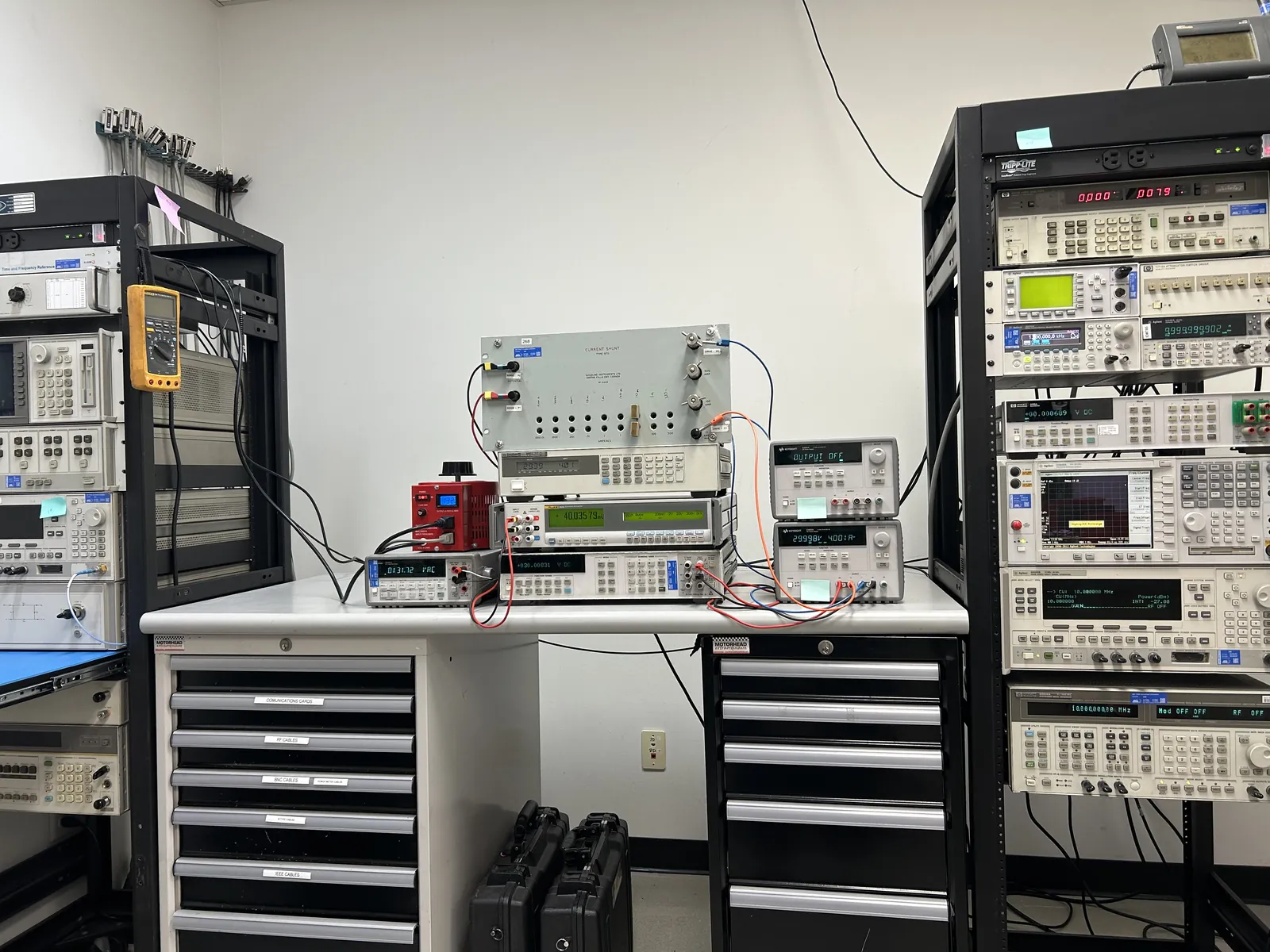
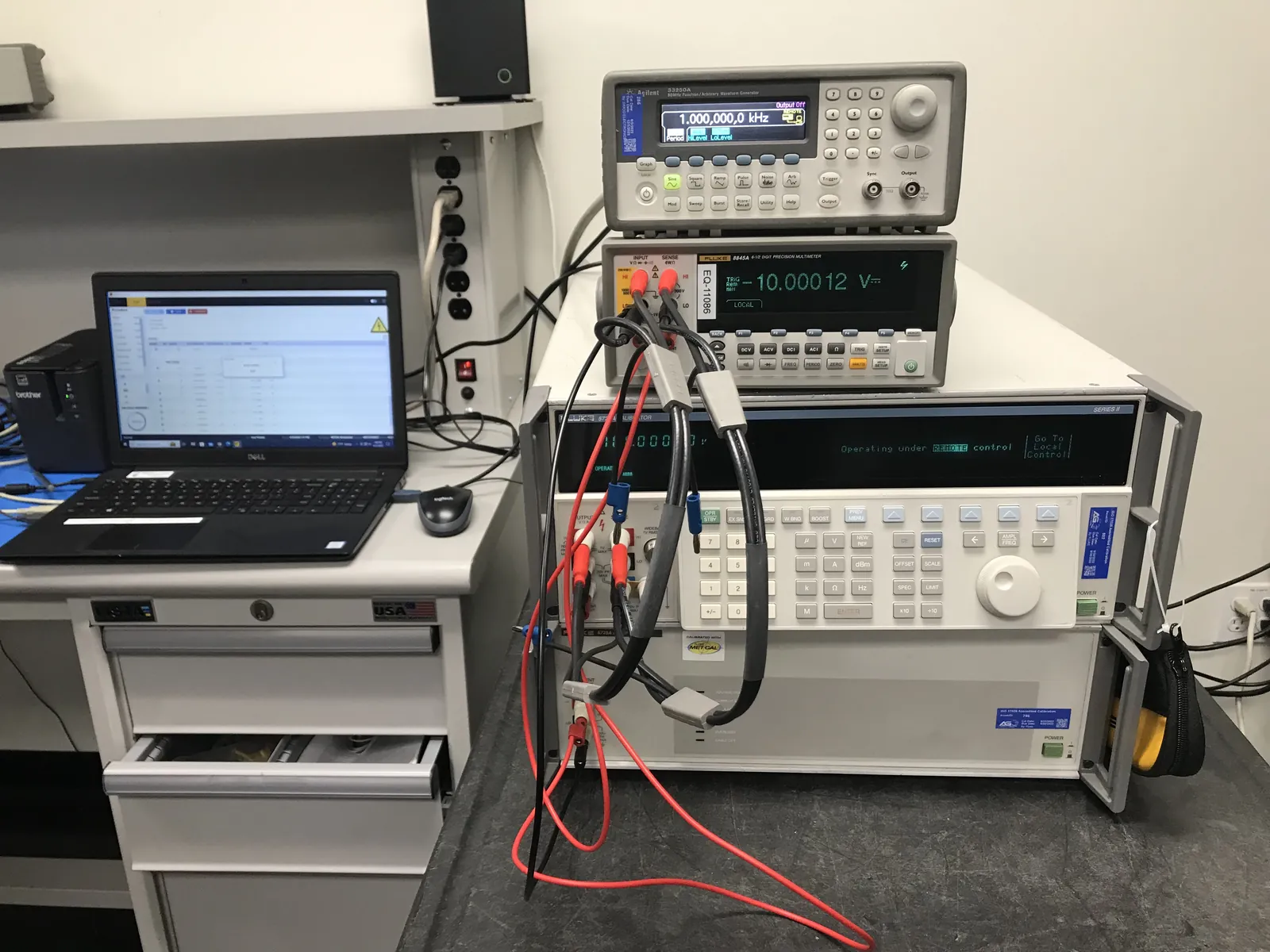
DAQ calibration applies known inputs to each channel and verifies the recorded value, covering the ranges and signal types (voltage, current, thermocouple, RTD) actually used. Because channels can drift independently and signal conditioning varies, per-channel data is what tells you the system is trustworthy — a single spot check is not enough.
End to end matters
The value that matters is what the system records, not just what the front-end reads, so verification through the full acquisition path (including scaling in software) catches configuration errors a component-level check would miss. Report data and uncertainty per channel, and confirm the ranges match your application.
Common questions
Can DAQ systems be calibrated on-site?
Often yes, since moving a rack-mounted system is disruptive. On-site calibration with traceable standards can verify channels in place — ask about on-site DAQ support.