
Managing a Program · 5 min read
Handling Out-of-Tolerance Results and Impact Assessments
How you handle an out-of-tolerance result is the clearest signal of whether your calibration program is real. A calm, documented procedure turns a scary finding into a controlled record.
Part of our guide to Managing a Calibration Program: A Quality Manager’s Guide.
The procedure, step by step
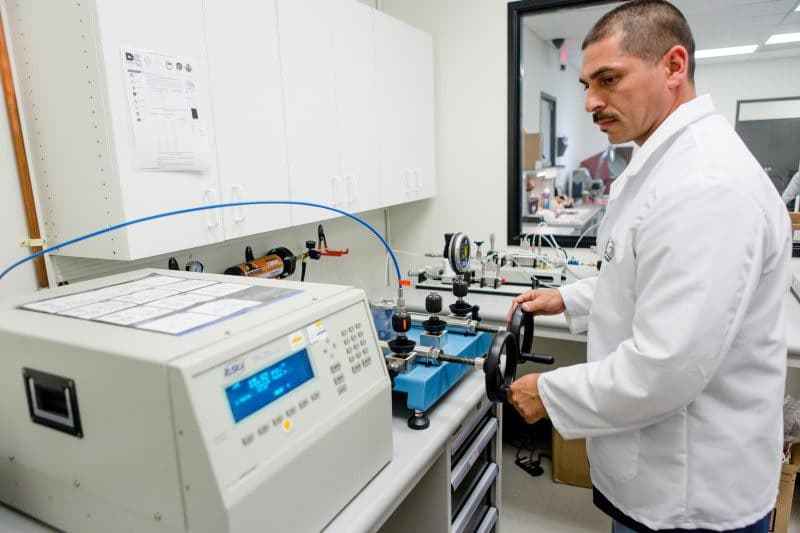
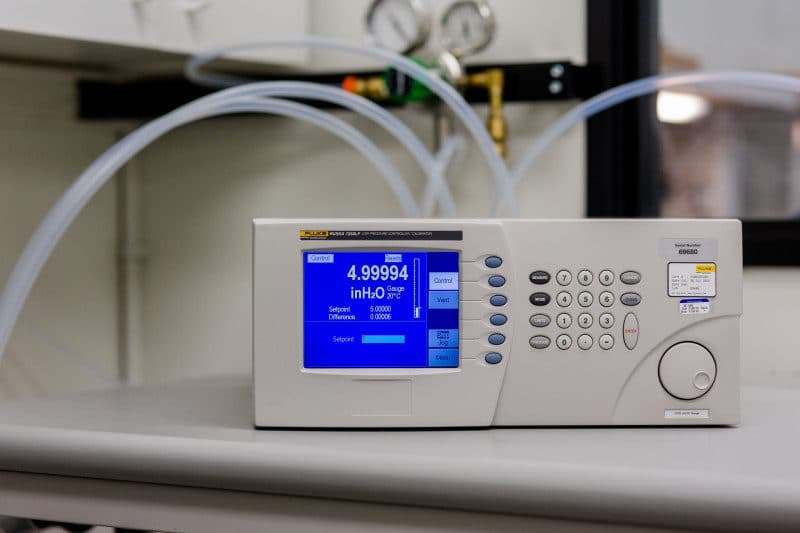
When a lab reports an out-of-tolerance (OOT) as-found condition, work a standard sequence: quarantine the instrument so it cannot be used; capture the as-found magnitude; identify everything it measured since its last good calibration; assess whether an error of that size could have let nonconforming product pass; decide and document containment or acceptance; then adjust/repair, verify as-left, and record the whole event. The as-found data is what makes the impact assessment possible — which is why "PASS-only" certificates are dangerous.
Close the loop
An OOT event is also information. Feed it into interval analysis (should this instrument’s interval shorten?), into supplier and process review, and into training if technique contributed. Standards like AS9100 and ISO 13485 expect not just the assessment but evidence you acted. Done consistently, OOT handling stops being a fire drill and becomes routine quality machinery.
Common questions
Is an out-of-tolerance result always a product recall?
No. The impact assessment may conclude the error was too small to affect conformity. The requirement is to make and document that determination based on the as-found data — not to assume the worst or ignore it.