
Managing a Program · 5 min read
How to Choose a Calibration Lab (The Full Checklist)
Choosing a calibration lab is a supplier-quality decision with audit consequences. Use this checklist to make one you can defend — and live with day to day.
Part of our guide to Managing a Calibration Program: A Quality Manager’s Guide.
Technical fit first
Confirm the lab can actually do your work, correctly:
- Current ISO/IEC 17025 accreditation, verified in the accreditation body directory
- Scope that covers your specific measurements and ranges
- CMC small enough for an adequate TUR against your tolerances
- Certificates with as-found/as-left data, uncertainty, and a stated decision rule
- Disciplines broad enough to consolidate your equipment where possible
Then service and fit
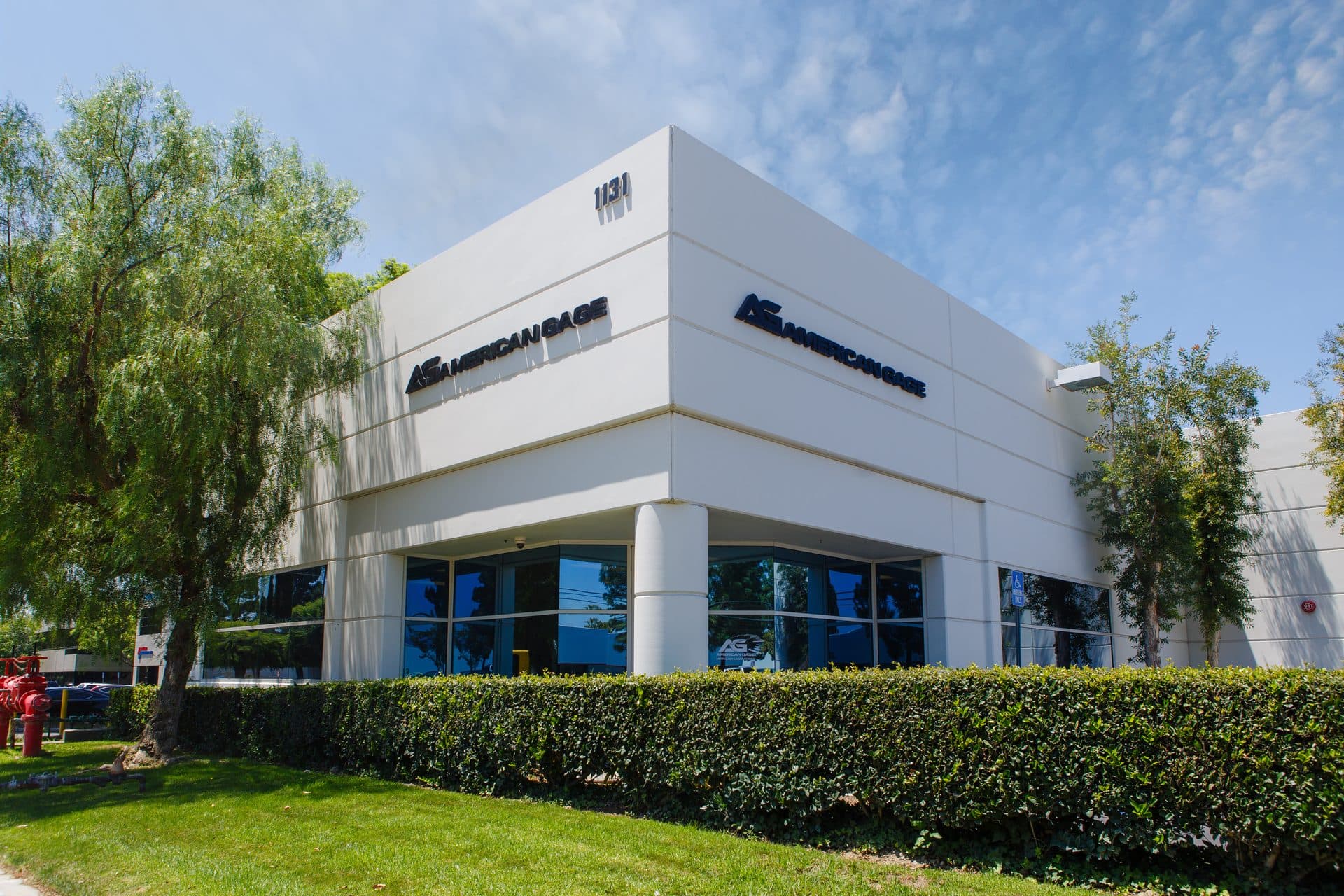
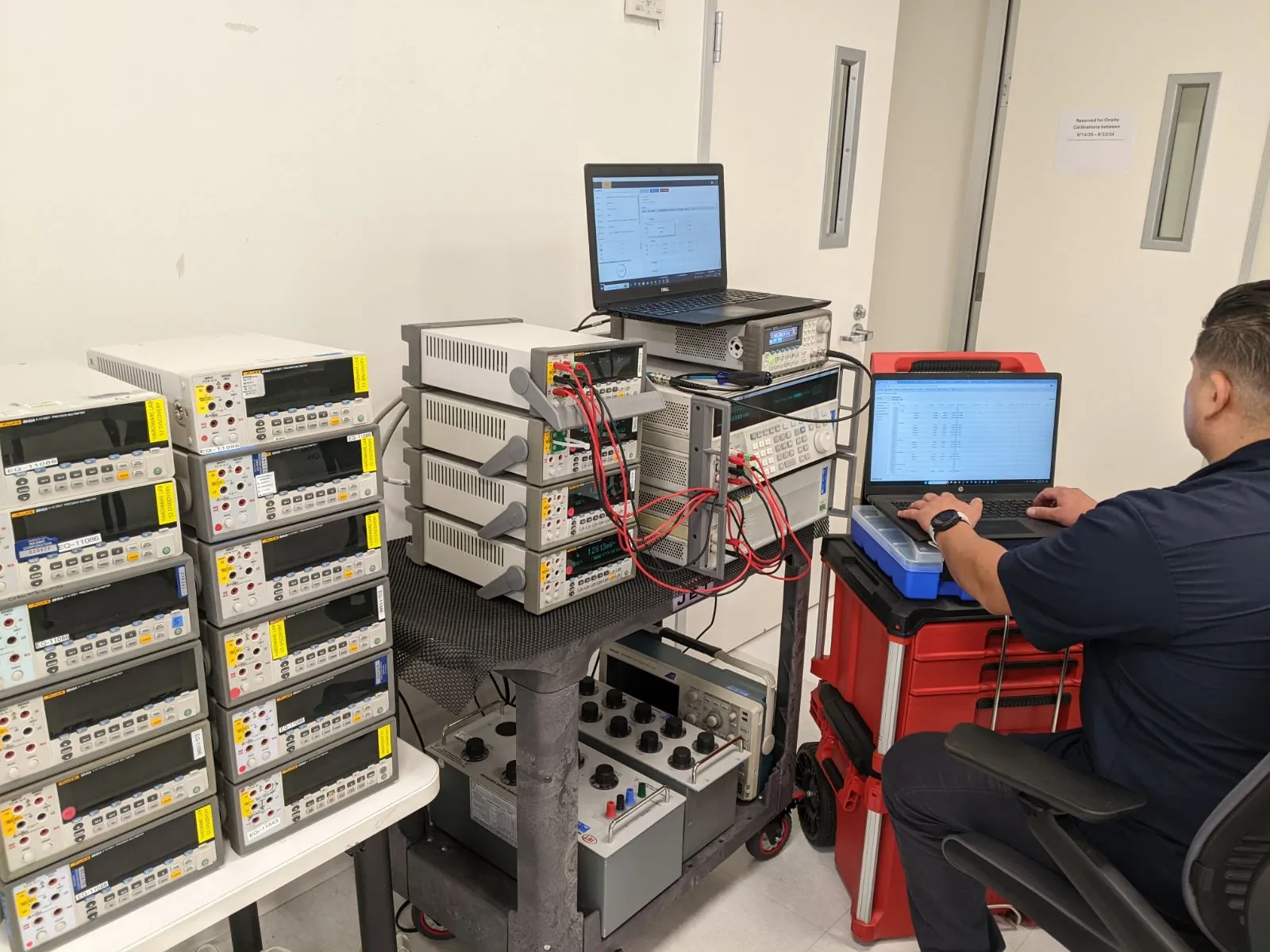
Once the technical box is checked, the day-to-day experience decides whether the relationship works: realistic turnaround with expedite options, whether you can reach an actual technician, logistics (pickup routes or reliable mail-in), and responsiveness when something is urgent. A smaller independent lab often wins on access and flexibility; confirm it also has the accreditation and scope you need. American Gage combines A2LA accreditation across nine disciplines with direct technician access and both local pickup and nationwide mail-in.
Common questions
How do I verify accreditation quickly?
Look the lab up in the accreditation body’s public directory (e.g., A2LA), confirm the certificate is current, and open the scope to confirm your measurements and ranges are listed.