Industry Compliance · 5 min read
IATF 16949 Calibration Requirements (Automotive)
The automotive standard IATF 16949 treats measurement as a system, not just a set of calibrated tools — which is why calibration and MSA sit side by side in its requirements.
Part of our guide to Industry Compliance & Calibration.
Calibration and the laboratory scope requirement
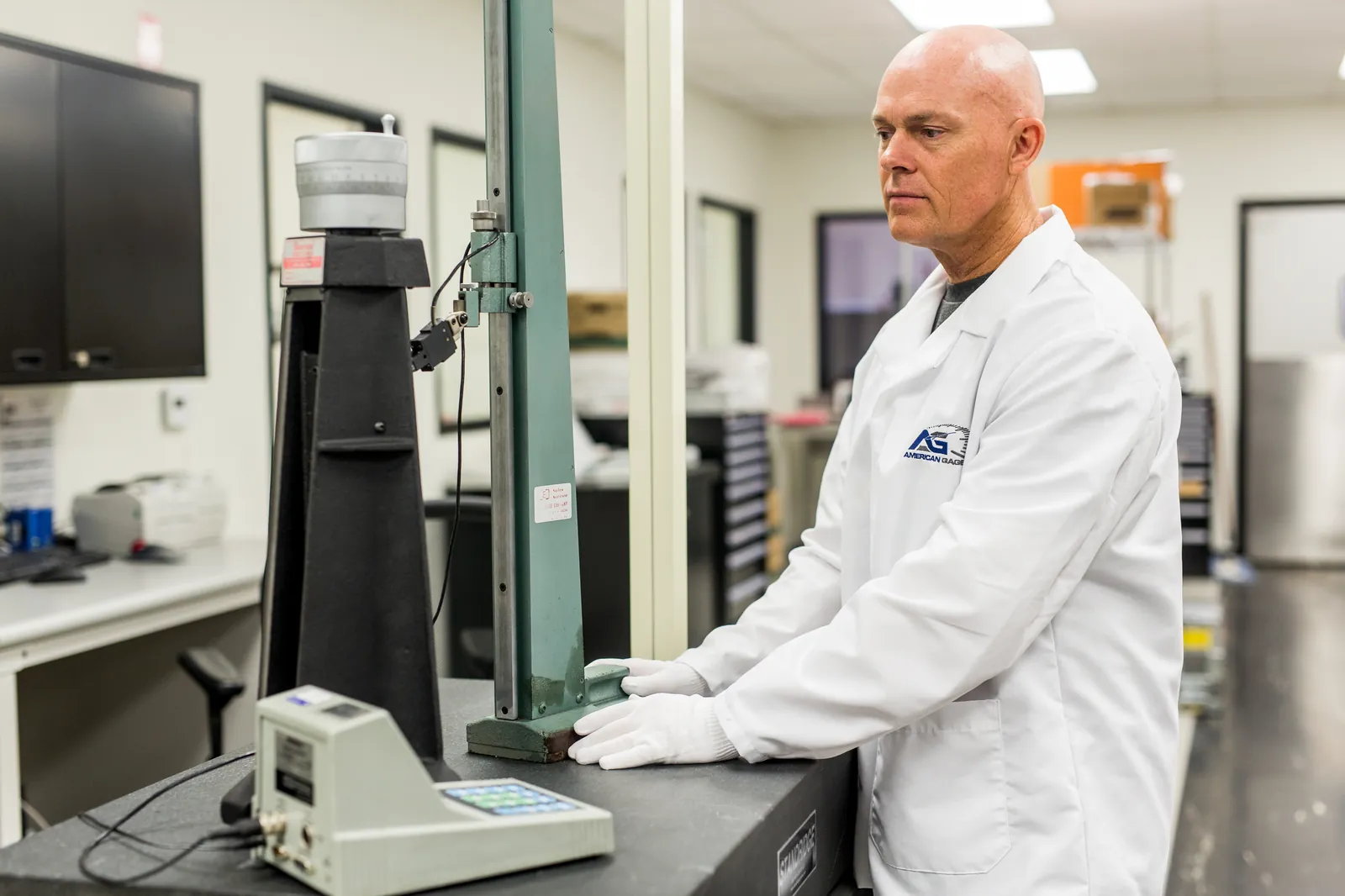
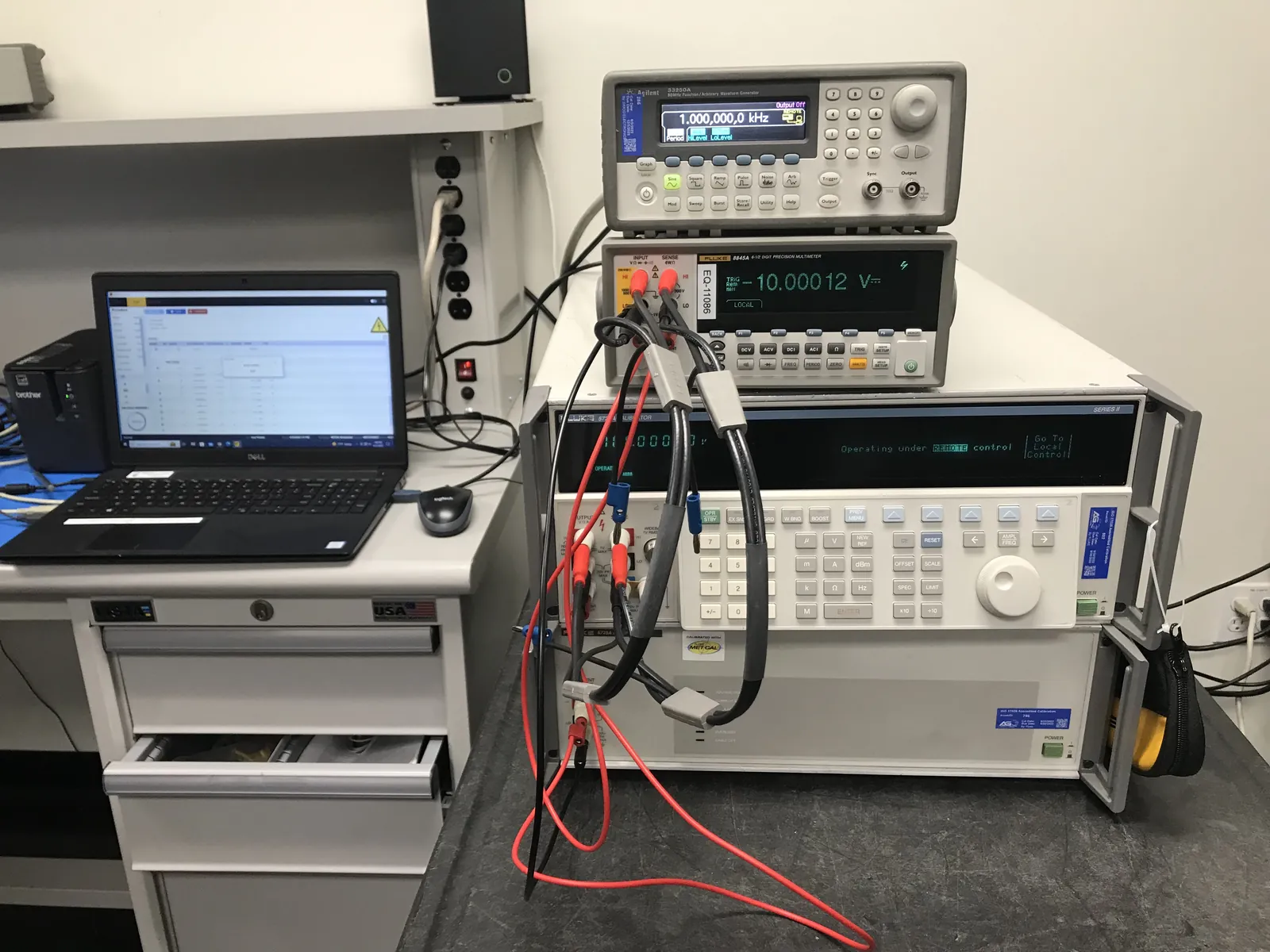
IATF 16949 builds on ISO 9001 with automotive-specific requirements, including detailed expectations for measurement system control. It calls for calibration/verification records for monitoring and measuring equipment and addresses the use of internal and external laboratories, including that external labs’ scope of accreditation cover the required calibrations. An accredited supplier with the right scope maps directly onto that requirement.
MSA sits alongside calibration
Automotive quality also emphasizes measurement systems analysis (MSA) — gauge R&R and related studies — to quantify the variation the measurement process itself introduces. Calibration ensures the instrument is accurate; MSA ensures the whole measurement process (instrument, operator, method) is capable. You need both, and they are complementary, not interchangeable.
Common questions
Is calibration the same as MSA?
No. Calibration establishes the instrument’s accuracy against a reference. MSA (e.g., gauge R&R) quantifies the variation of the measurement process as used. IATF 16949 expects both.