Mass, Force & Torque · 8 min read
Mass, Force & Torque Calibration
Mass, force, and torque are related but distinct: mass is how much matter, force is a push or pull, and torque is a twisting force. This hub covers the instruments that measure all three and how each is calibrated against traceable standards.
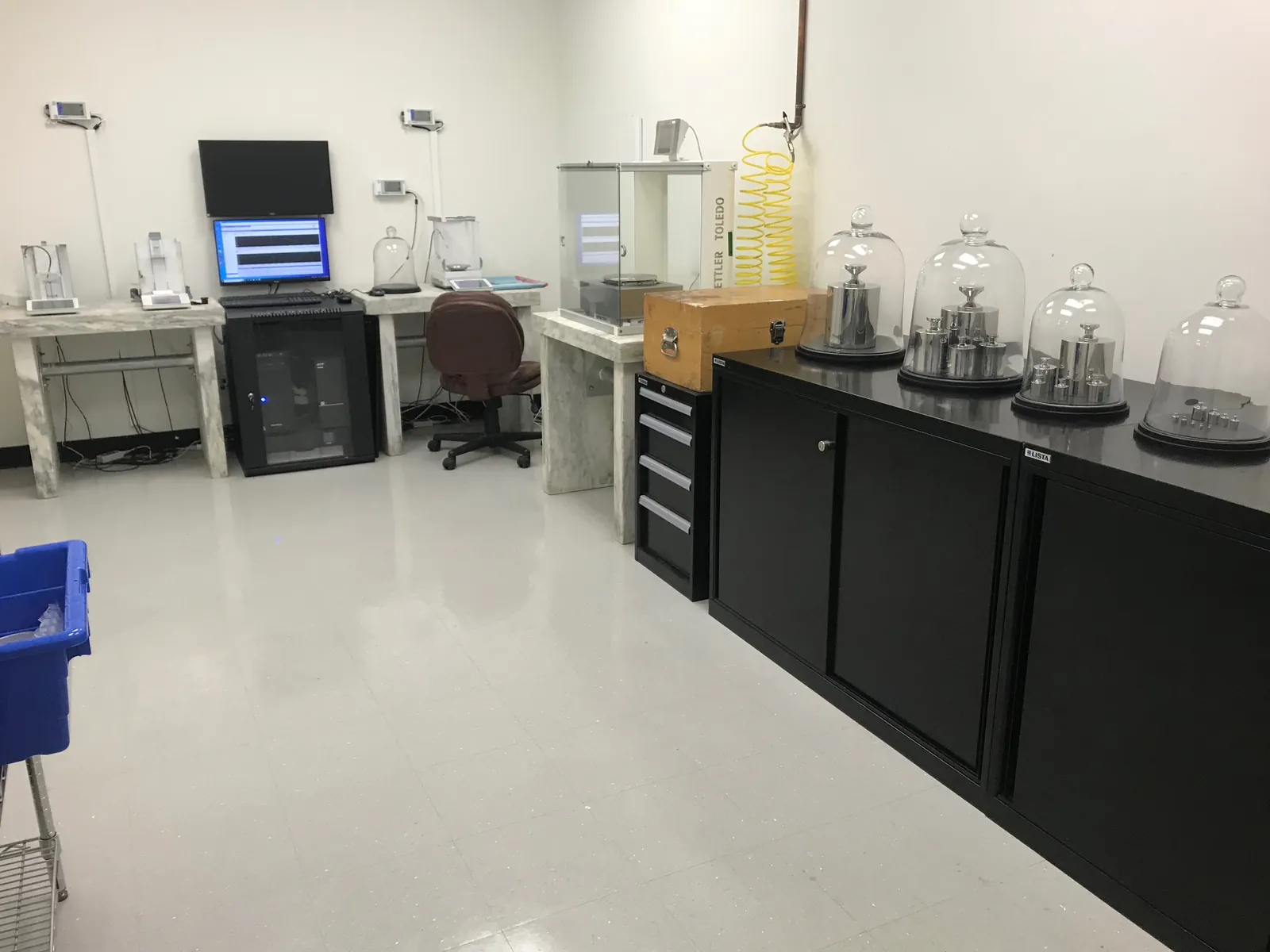
The reference artifacts
Mass calibration rests on classified reference weights (ASTM or OIML classes) whose values are traceable to national standards; balances and scales are calibrated by comparison against them. Force calibration uses reference load cells or deadweight machines; torque calibration uses reference torque transducers and calibrated arms/weights. In every case, the quality of the reference and the technique define the result.
Small errors, big consequences
These measurements sit under safety-critical assembly (torqued fasteners on aircraft and vehicles), formulation and dosing (analytical balances), and materials testing (force/load). A miscalibrated torque wrench or balance does not announce itself — it quietly produces out-of-spec assemblies or formulations. That is why traceable calibration with data matters as much here as anywhere.
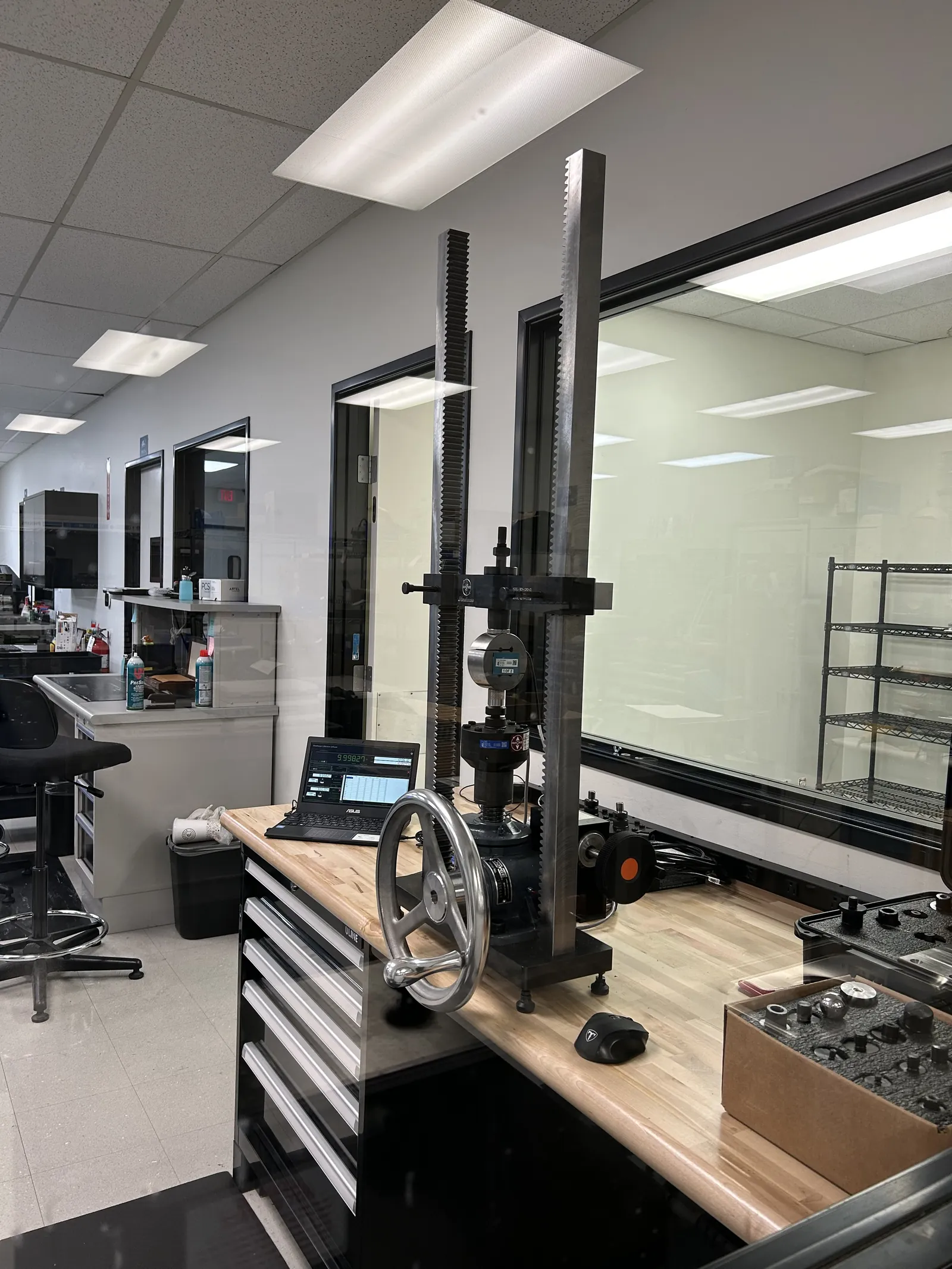
The instruments, one by one
The articles below cover balances and scales, mass standards and weight classes, torque wrenches and screwdrivers, force gauges and load cells, and crane/floor scales.
In this guide
Common questions
Is mass the same as weight?
Not exactly — mass is the amount of matter; weight is the force gravity exerts on that mass. Scales measure force and infer mass, which is why local gravity and calibration matter. Reference weights are classified by mass.